Vineyard History

Meet Our Winemaker

California Retailers

Distributor List

Bloomberg Article

Select Establishments Featuring Our Wines

LA Times Article

California Grapevine Article by Dan Berger

Cabernet Society Article

Wine Spectator Article

Hotel Bel Air Article

Malibu Newton-Canyon Press Release
Swirl Wine Article

LA Splash Article


Swirl Wine News about George Rosenthal: Owner, Rosenthal, The Malibu Estate

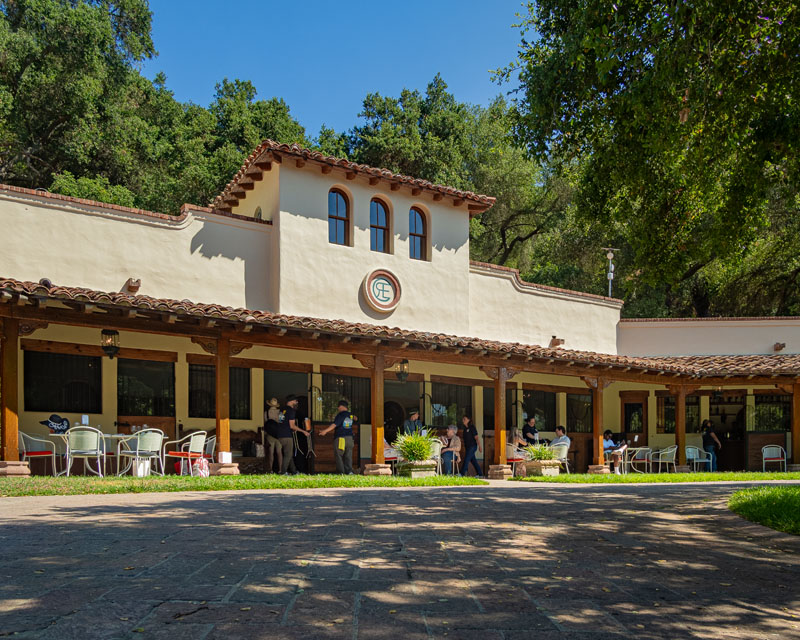
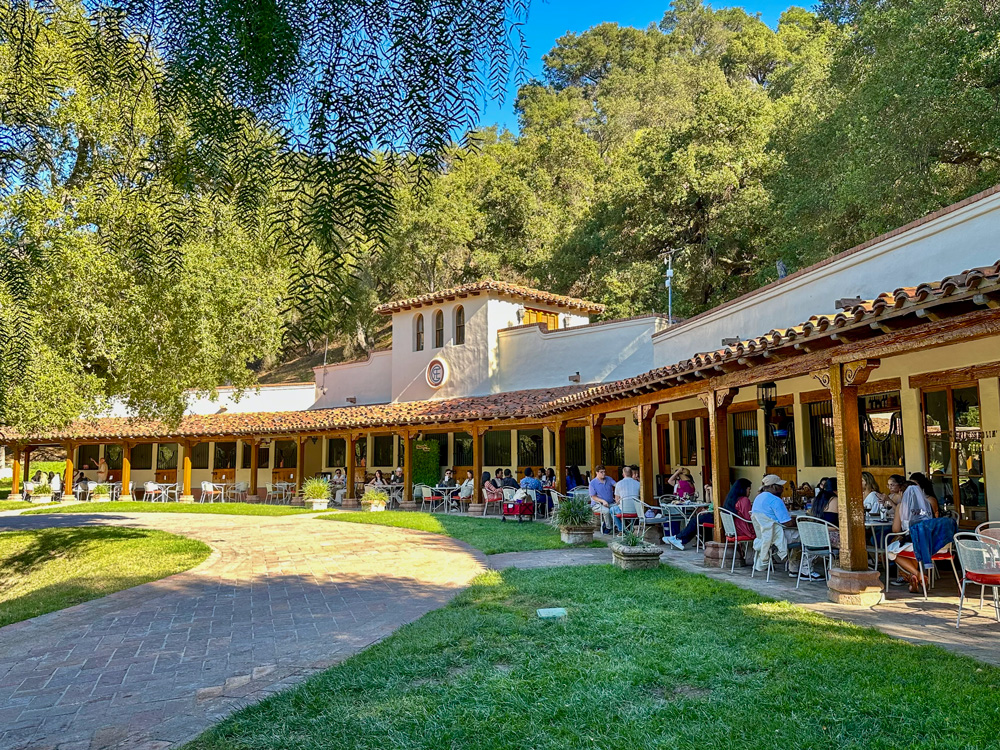
It would be facile to dismiss a venture such as Rosenthal Malibu Estate Wines as the expensive hobby of an L.A. businessman enjoying the fringe benefits of a long and successful career. Those who jump to that conclusion haven’t met George Rosenthal. Behind his warm and engaging demeanor are the intensity, commitment and passion that he’s brought to every endeavor he’s undertaken. And there have been many under the umbrella of Raleigh Enterprises: real estate, film studios, hotels, and even jewelry design. The wine operation, however, is special. A visit to the stunning Mexican-inspired Estate in Malibu is one indication. Another: It’s the first business venture on which Rosenthal has ever put his name. Swirl spoke with George at his office overlooking the Pacific in Santa Monica, California.

We’re always fascinated that wine lovers usually have a defining “wine moment.” We hear that you experienced one in the 1970’s in Spain. Is that true?

I had the very good fortune to have a lifelong friend and business partner in Mexico by the name of Emilio Azcarraga. With Emilio, I enjoyed so many things that I might not have otherwise been exposed to. One thing we did together was go to the fair at Seville, Spain. Major corporations set up casitas where they’d serve food and wine, and have a wonderful party atmosphere for a full week. At that fair, I was re-introduced to members of the Domecq family. They invited us to have dinner after the fair wound down at “about 1 o’clock.” I said to the host, “I thought you said dinner, not lunch!” They said, “Oh no, 1 o’clock in the morning for dinner!”
So, I arrive with friends at the Domecq Finca and it’s a wonderful courtyard with a fountain at the center, and they have tables set up. At this point, everyone is fairly toasted on the Sherry we’d been drinking all day long. Before dinner they come in with their Andalusian horses with the grooms running dressed in typical Spanish costumes. Sparks on flying off their hoofs…and I’m having this epiphany: “What a great environment!,” having [already] considered doing a place somewhere off of the beach [in Los Angeles]. I thought: “How do you have a vacation 30 minutes away from where you live most of the time?” At that moment, I said, “That’s what I want to do; now I have to find a place to do it.” For me, that was my wine moment.

You’ve been successful in a diverse array of businesses. How does the wine business compare with all that? Do you have a favorite?

I’ve always been committed to our business ethic and to the development of businesses that generically were called “Raleigh’s” businesses. We recently celebrated the 49th anniversary of my founding of this company. Until we started the vineyard about 12 years ago, I’d never put my name on a business. It’s always been Raleigh, or the Sunset Marquis Hotel, or whatever the businesses were. Since my name is attached to that bottle of wine, I want it to be good in the present, and in the short and long-term future, so that someone may look back on it and say: “You know, I really enjoyed what my grandfather did or my great-grandfather did…”

What are the unique challenges for a Malibu vineyard and winemaker?

The first challenge is probably in people’s perception, because their perception is reality. And the perception is: They don’t make wines in Southern California, they make wines in Northern California. In the late 1800’s, Southern California was a huge wine producer before Pierce’s Disease wiped out all the vineyards. The second hurdle, and it’s an issue I’ve been vociferous about, is that I really don’t believe in the rating of wine on a numerical scale. Although I don’t doubt the sensitivity of people’s palates, it’s almost a joke that you can tell the difference between a 92 and 93 or a 91 and 92. And if you say it is really not a 100-point scale, it’s really only a 20 point scale, then what’s 1/20th of the difference? I don’t get it. I’m convinced that unless it’s a double blind tasting, wines from certain areas have a five to seven point advantage over other wines. Napa carries a certain connotation, and consistently gets pretty good scores. Does it cost you points to not be from Napa? Because a significant number of people buy wines on a ratings scale, and is the perception of the individual reading The Wine Spectator influenced by that?

What are you currently growing on the estate, and what does the future hold?

We currently have about 27 acres of vineyards planted, about 28,000 vines, and that will be all that we plant. Our vineyards are located in rather difficult terrain, and everything has to be done by hand. It’s a significant amount of work. We have blocks of Cabernet Sauvignon, Merlot, Cabernet Franc, Petite Verdot, and two relatively small blocks of Chardonnay. We tried Sangiovese, but we couldn’t get a quality that we thought was good. We did make a Meritage [a Bordeaux-style blend] because our Cabernet Franc is so good, but not enough in the blend to call it a “Cabernet Franc.” If we put “Cabernet Franc” on the label, we’d probably never sell a bottle. Interestingly, our Chardonnay sells very well, and we do it in an atypical California style. We don’t go through the malolactic fermentation. I don’t believe in it, although I don’t dispute that people love that fruity, woody flavor. I happen to like the steely, crisp taste that brings the food flavors forward. I’m not a wine drinker just to sit and sip wine, I’m a “to complete the meal” wine drinker.

You planted grapes in 1987 and released your first vintage in 1991. What was it like to have your first release?

I was over the top. I’d spoken to Dick Grace when I first started. They [Grace Family Vineyards] were kind of my heroes. They’ve produced such a fine wine for so many years from such a small vineyard. That was a benchmark. By whatever stroke of good luck, in 1991, our wine was rated higher than Dick’s. I said, “Oh my God, this is great! This isn’t as tough as I thought it would be!” I called a friend from the [Los Angeles wine shop] Duke of Bourbon, Dave Brightstein, because he was kind of a mentor. I told him, “We got this rating and it’s better than Dick Grace’s.” He said, “Just calm down, you’ve only done it for one year, he’s done it for decades!” Needless to say, it was uphill from there!

What are you tasting these days when you’re not enjoying your own wines?

I sit on the board of a Canadian company called Vincorp, so I have a significant amount of Vincorp’s wines. We have R.H. Phillips in Northern California, Hogue in Washington State, and some other vineyards in Canada like Jackson-Triggs (Niagara Estate Winery) and Inniskillin Ice Wines. Lately I’ve been trying wines from all over the New World. I still like French wine, but there’s very rapid development in wines from Chile, Argentina, and certainly Italy. And the technology today! What we’ve learned in the last ten years about viticulture and how to make wines is really phenomenal. So I’ve been trying to discern the differences, and for me that’s a great joy – a discovery process.

What was the last glass of wine you had?

It was a Rosé in St. Bart’s, and it was called Ott. [Ed. Note: Domaines Ott is a French producer.]

Printable Page

^ Top of Page


Copyright © 2004 Rosenthal - The Malibu Estate. All Rights Reserved. Contact Information.

Web site by: WorldZOO & Winery Websites